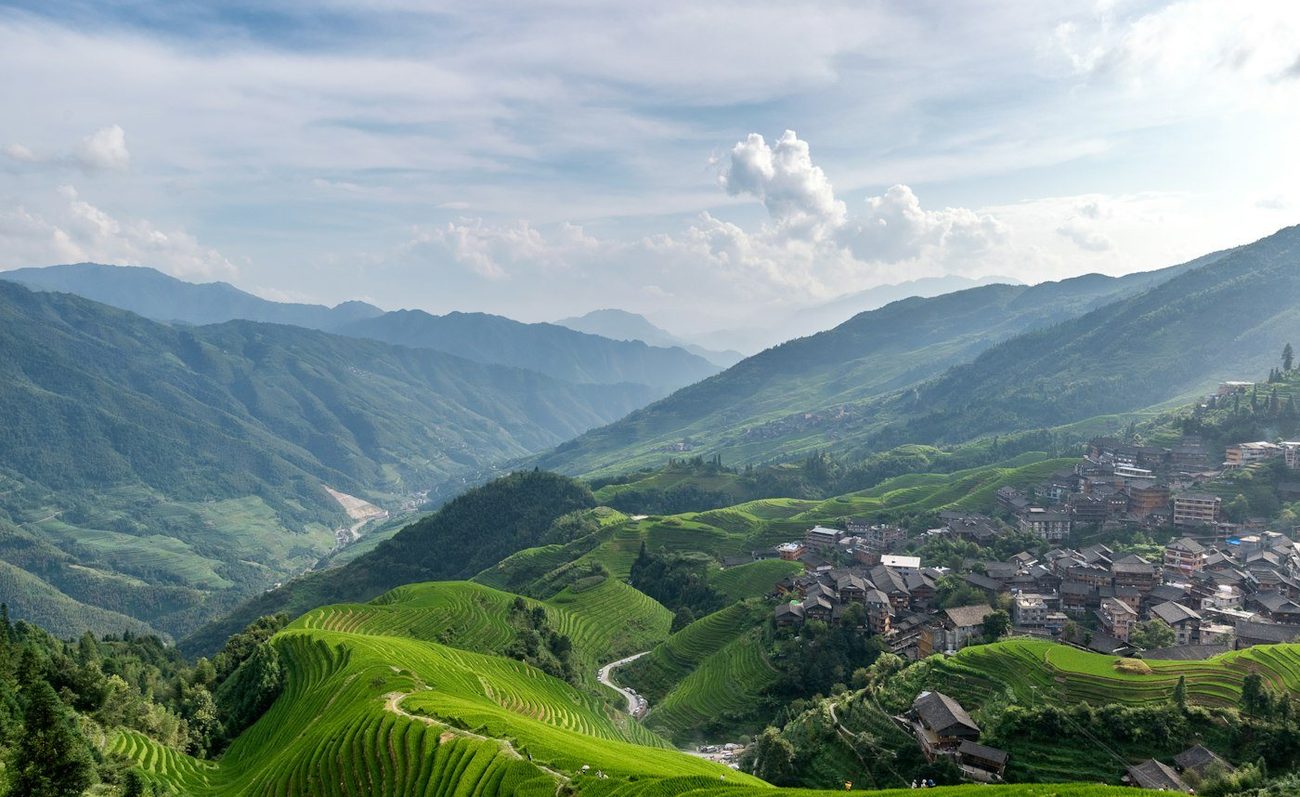
By watching sun, moon, cold and heat, the year was cut into twenty-four segments to guide farming and daily life.
Beginning of Spring, Rain Water, Awakening of Insects… The ancients divided the sun's journey into twenty-four solar terms that guided farming for two thousand years. Inscribed by UNESCO in 2016, they are called “China's fifth great invention” by meteorologists around the world.
The time order of an agrarian society, shaping farming, food, regimen and traditional festivals.
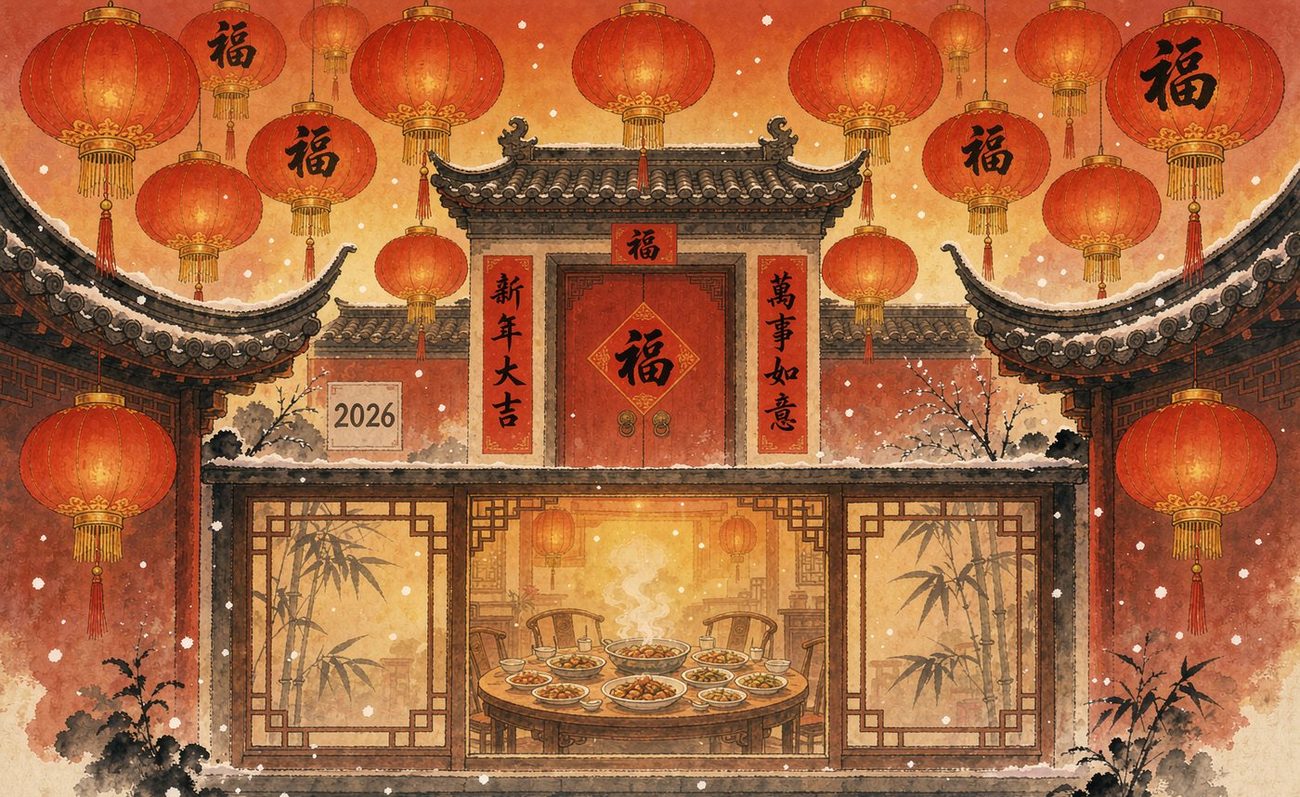
The most important hinge of the Chinese year: seeing off the old, welcoming the new, family reunited.
China's greatest festival, opening at Laba and closing on the fifteenth of the first lunar month. Across forty days of chunyun, billions of journeys are made — the largest periodic migration in human history — all for one table at which the family is whole again.
Sweeping the dust, keeping vigil, honoring ancestors, paying New Year calls, the reunion feast — the most complete family folk calendar of Huaxia.
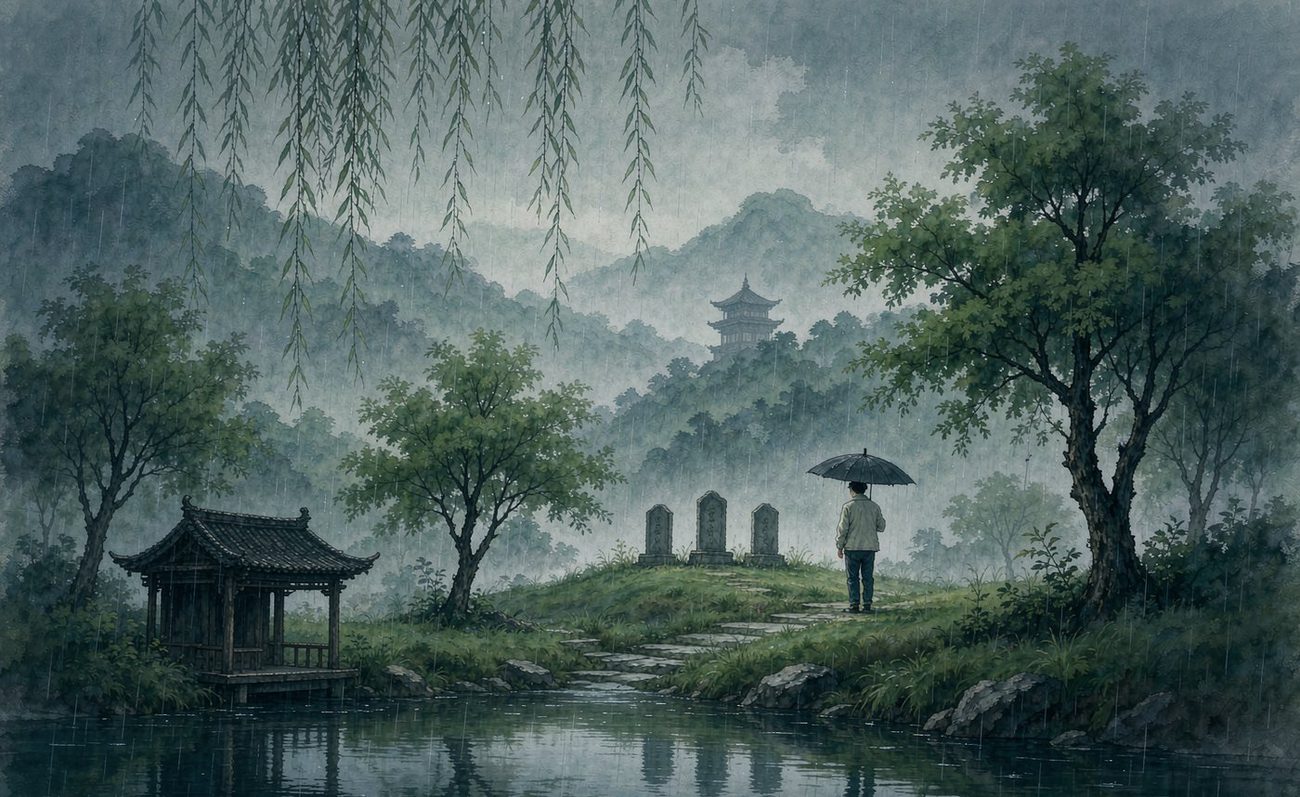
Remembering the ancestors while embracing the spring: life, death and nature side by side.
At once a solar term and a festival: graves are swept and ancestors honoured, and the living walk out among the new willows. Chinese attitudes to the dead are all here — not fear but remembrance, not farewell but continuity.
Grave-sweeping and willow-planting outings, joining ancestral memory with the season of spring.
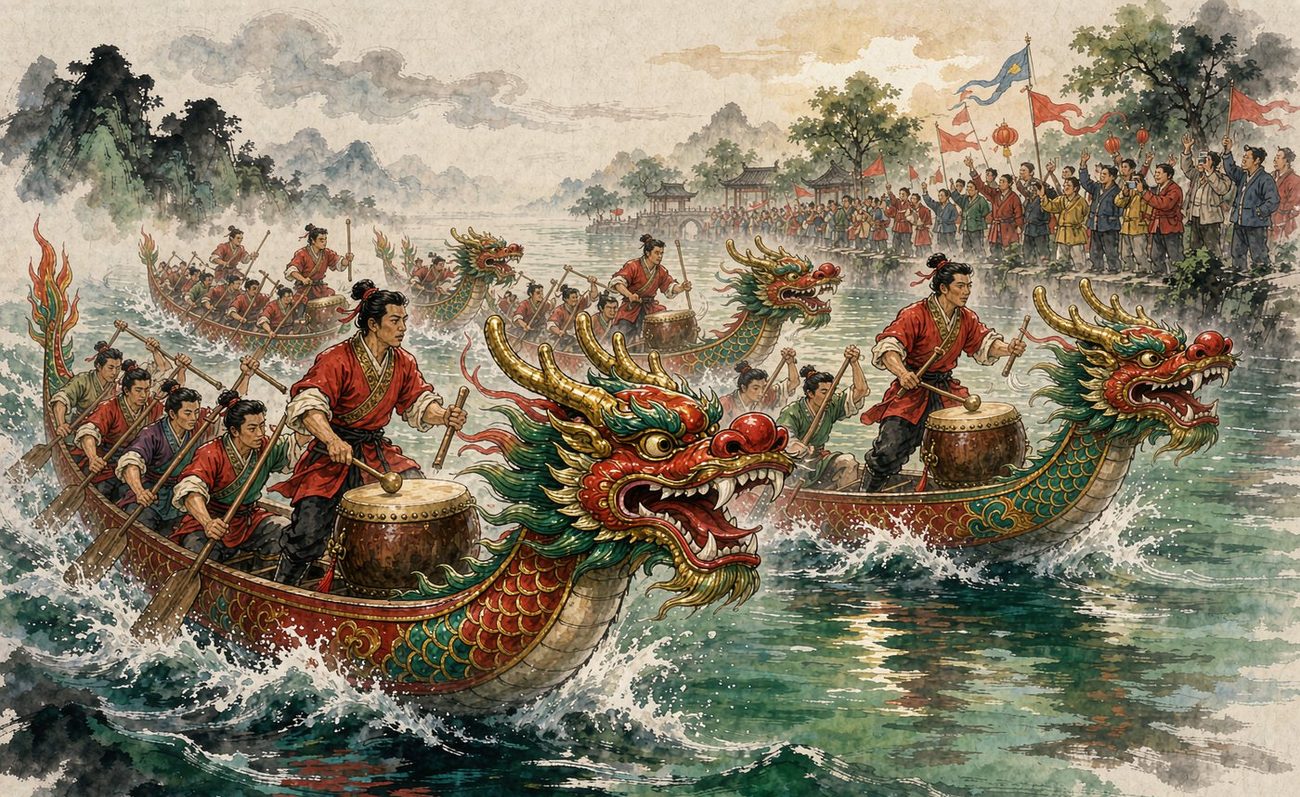
Dragon boats race, mugwort hangs at the door, zongzi is eaten — a summer rite of warding off evil and praying for blessing.
Twenty-three hundred years ago the poet Qu Yuan drowned himself in a river; today more than a billion people remember him with zongzi, dragon boats and mugwort. That a festival should be kept alive for a poet is unique in the history of civilization.
Racing dragon boats, eating zongzi, hanging mugwort and wearing sachets — commemoration and protection in one.
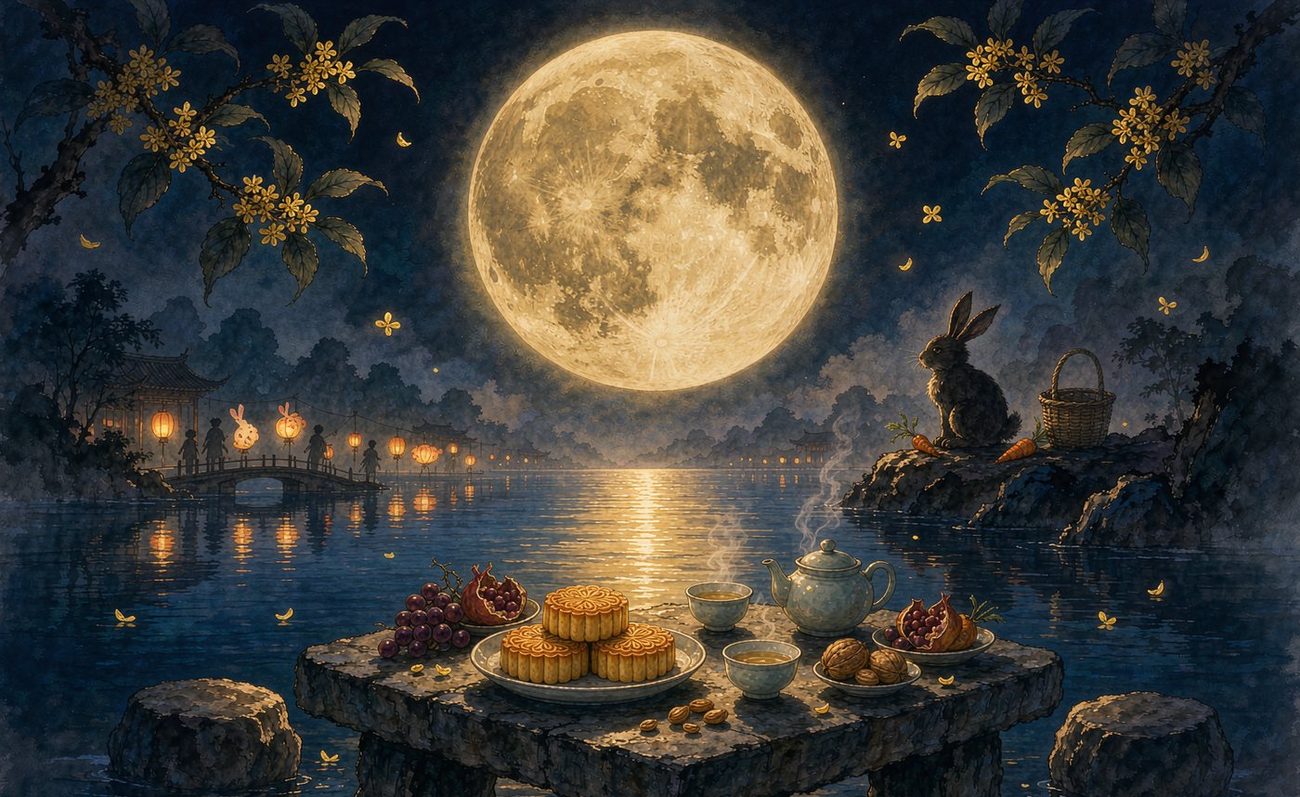
The full moon mirrors human reunion: gazing at and offering to the moon, missing those far away.
On the fifteenth night of the eighth lunar month the moon is full, and mooncakes and reunion are the two themes of the evening. Chang'e flies to the moon and Wu Gang hacks at the cassia tree: the Chinese moon has always been inhabited by poetry.
Moon-viewing, moon offering and mooncakes — the folk custom of reunion and longing.