Search
Search
🌐 LanguageEnglish中文
Home The Shape of China Landscapes Roots of Civilization Folk Culture Oriental Arts Epic & Thought TCM Wellness
Home / Epic & Thought / Originals & Schools
Section V · Chapter I · Epic & Thought

Originals & Schools

Originals & Schools

Contention in a chaotic age set the intellectual pattern and spiritual undertone of Huaxia for two thousand years.

Schools of ThoughtSchools of Thought

Confucians, Mohists, Daoists and Legalists: four coordinates of value that framed the Chinese spiritual world.

01

ConfucianismConfucianism

Grounding the heart in ren (benevolence) and order in li (ritual propriety): an ethics of self-cultivation and an order for the human world.

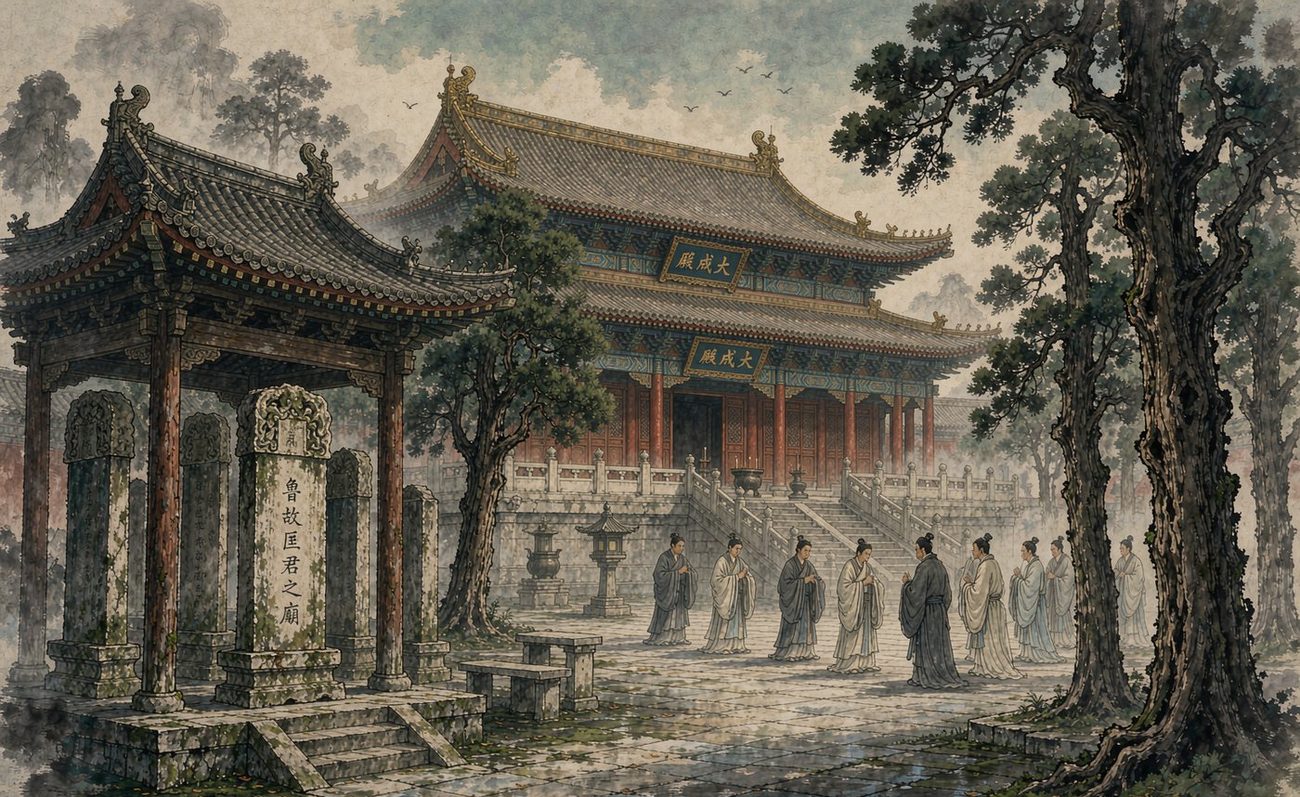
Confucius rebuilt a broken world on ren (benevolence), and for two thousand years his thought has shaped the ethical grain of East Asia. The imperial examinations chose officials by the Confucian classics for thirteen hundred years — thought became institution, and institution became a way of life.

Centered on Confucius and Mencius, stressing ethics, education and rule by virtue — shaping a millennium of Chinese values.

儒家
儒家
Read the full entry “Confucianism” →
02

DaoismTaoism

Follow the Dao and act with nature; keep still and guard the one — shaping Eastern aesthetics and a philosophy of life.

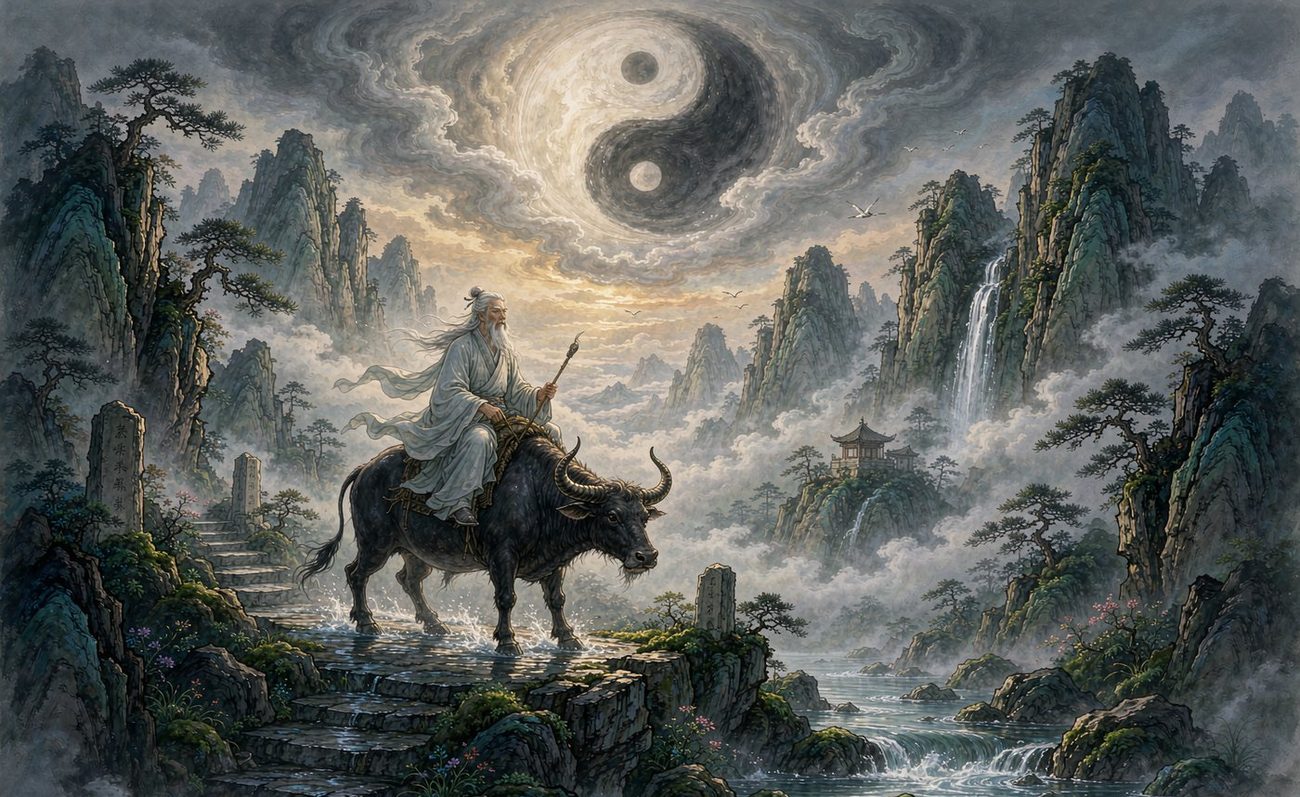
Daoism is the Chinese art of stepping back: overcoming hardness with softness, governing by non-action, following nature. The five thousand characters of the Dao De Jing have been translated into nearly a hundred languages — more versions than any book but the Bible.

The thought of Laozi and Zhuangzi, honoring nature and non-action, profoundly shaping Eastern aesthetics and the view of life.

道家
道家
Read the full entry “Daoism” →
03

Legalism

Govern by law and found the world on institution: the logic of rule behind the great unified empire.

Law, centralization and reform set the governance frame of the Qin-Han empires, with Han Feizi as its summation.

Read the full entry “Legalism” →
04

Mohism

Universal love and against offensive war; exalt the worthy and practice thrift — pre-Qin’s most precious thought of the common people.

Advocating impartial care, defense, meritocracy and frugality, with deep attention to practice and technology.

Read the full entry “Mohism” →

The Five ClassicsThe Five Classics

Five primal texts: the common wellhead of all Chinese learning.

05

The Book of Changes (I Ching)I Ching

First of the classics: it derives the root laws of heaven, earth, yin-yang and the motion of all things.

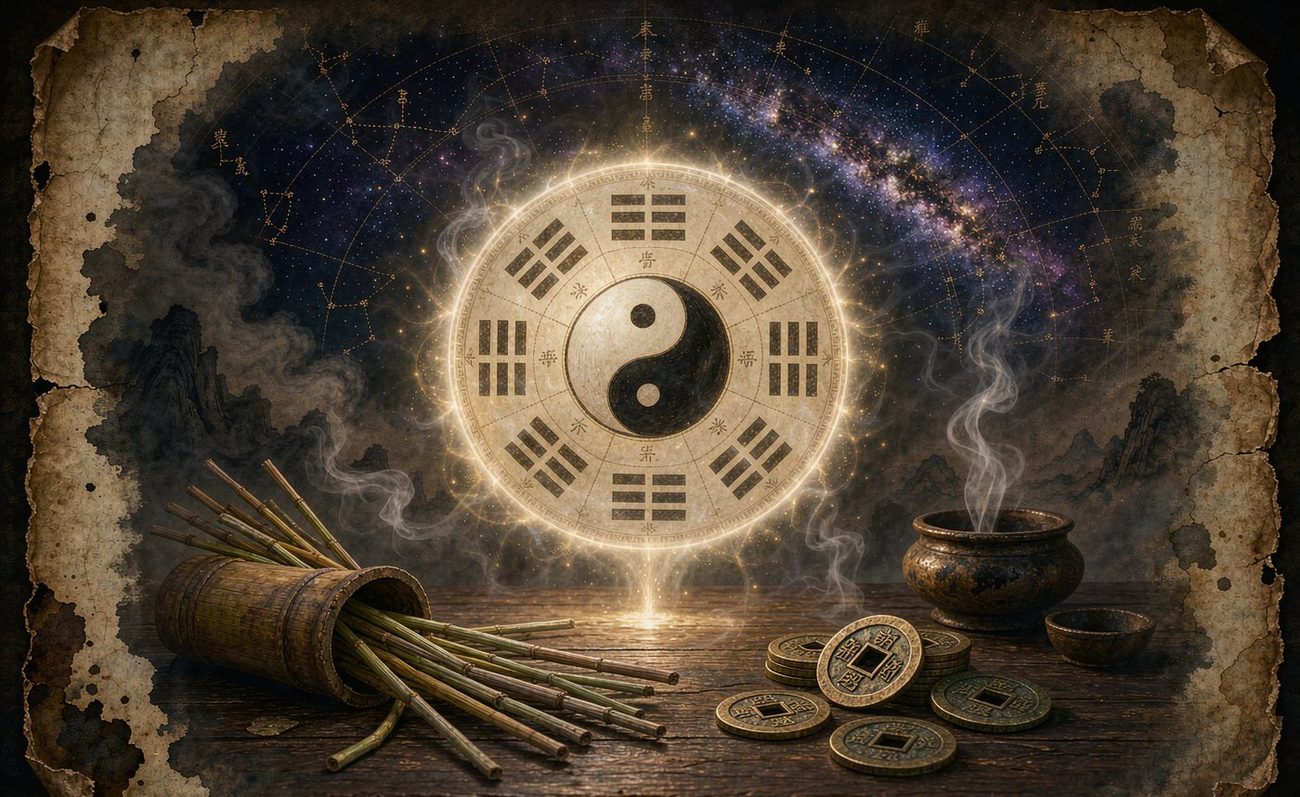
Sixty-four hexagrams, three hundred and eighty-four lines — a model of cosmic change written in symbols. It is a divination manual and a work of philosophy at once: change is the only constant. The I Ching is honoured as the first of the classics.

The oldest primal text of Huaxia, reading the changes of the world through yin-yang and the eight trigrams.

《易经》
《易经》
Read the full entry “The Book of Changes (I Ching)” →
06

The Book of Documents

Forefather of statecraft: an anthology of ancient documents of rule, the source of the kingly way in Huaxia.

Oaths, proclamations and decrees of Yu, Xia, Shang and Zhou — where the thought "the people are the root of the state" began.

Read the full entry “The Book of Documents” →
07

The Book of Rites

The textual ground of ritual and music, gestating the teaching of self-cultivation, family order and governance.

Forty-nine essays on ritual; the "Great Learning" and "Doctrine of the Mean" later rose into the Four Books.

Read the full entry “The Book of Rites” →
08

The Book of Songs

The earliest anthology of Huaxia poetry, recording the feelings of the folk and the manifold airs of the states.

Feng, ya and song as three bodies; fu, bi and xing as three methods — the root of Chinese letters.

Read the full entry “The Book of Songs” →
09

The Spring and Autumn Annals

Praise and blame in a single word: the source of Chinese historiography and its values.

Revised by Confucius from the annals of Lu — "one word of praise outshines a robe of honor; one word of blame bites deeper than the axe."

Read the full entry “The Spring and Autumn Annals” →

Masters' TextsMasters' Texts

From records of sayings to books of war: first-hand documents of pre-Qin wisdom.

10

The Analects

The record of Confucius’ words and deeds: a thousand-year model of standing upright, dealing with the world and cultivating oneself.

Twenty books of sayings — "half the Analects could govern the realm" — first of the Four Books.

Read the full entry “The Analects” →
11

The Mencius

Exalting the flood-like qi, holding the people dearer than the ruler — it shaped the sense of duty of the scholar-official.

Human nature is good; benevolent government; masterful disputation — Mencius rose to become the "Second Sage."

Read the full entry “The Mencius” →
12

The Dao De JingDao De Jing

Five thousand characters on the great Dao of heaven and earth: the core classic of Chinese natural philosophy.

The thinnest book on the oldest reading list of a five-thousand-year civilization: five thousand characters, translated into 97 languages in more than two thousand versions. It tells how the soft defeats the hard and how emptiness is inexhaustibly useful — a philosophy for the weak, and a sobering tonic for the strong.

By Laozi, the core Daoist original, shaping the Chinese view of the cosmos and of conduct.

《道德经》
《道德经》
Read the full entry “The Dao De Jing” →
13

The Zhuangzi

Free and easy amid heaven and earth, vast and unbound — it opened the dimension of spiritual freedom for the Chinese.

Nine parts in ten are fables: the equalizing of things and free wandering — the mother lode of Chinese literature and aesthetics.

Read the full entry “The Zhuangzi” →
14

The Art of WarArt of War

The world’s earliest classic of strategy — beyond war itself, the Chinese wisdom of contest.

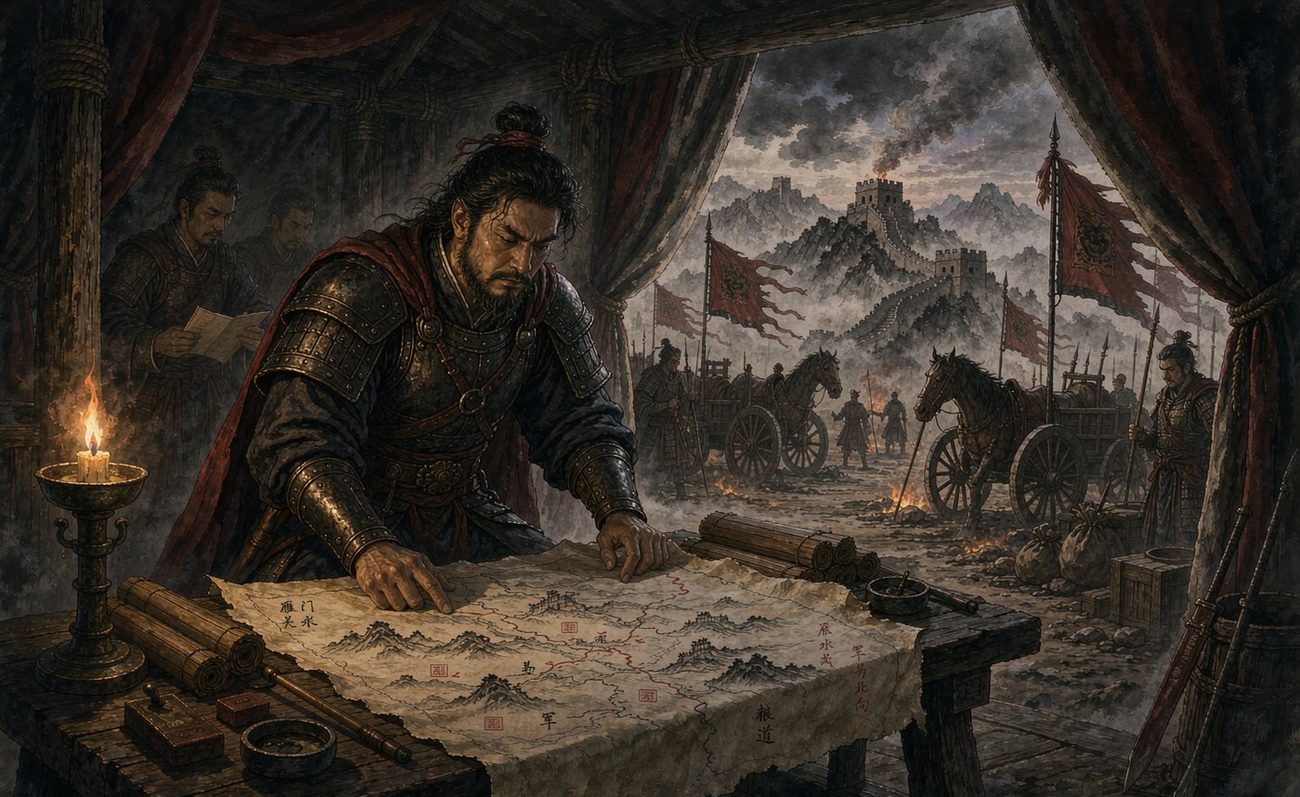
Twenty-five hundred years ago Sun Wu wrote thirteen chapters and six thousand characters — not on how to fight but on how to win without fighting. It is required reading at West Point and a strategy bible in business schools around the world.

By Sun Wu, fountainhead of the strategists: beyond the battlefield, widely shaping strategy and reasoning.
《孙子兵法》
《孙子兵法》
Read the full entry “The Art of War” →

Literature & GeographyLiterature & Geography

From romantic verse to imagined cosmos and the arts of the itinerant strategist.

15

The Songs of Chu

The romantic vein of the southern lands: homeland, quest and loyalty that stir the ages.

Qu Yuan’s sao-style verse, paired with the Book of Songs as "feng and sao" — the source of Chinese romanticism.

Read the full entry “The Songs of Chu” →
16

The Classic of Mountains and Seas

Ancient ranges, strange beasts and a genealogy of myth: Huaxia’s earliest universe of imagination.

The myths of Kuafu, Jingwei and Xing Tian — an old shamanic book, the gene bank of the people’s memory.

Read the full entry “The Classic of Mountains and Seas” →
17

Strategies of the Warring States

The diplomatic storms of the Warring States: schemes, eloquence and the live record of a shifting world.

Compiled by Liu Xiang by state; the words of the Political strategists and the first treasure-house of Chinese idioms.

Read the full entry “Strategies of the Warring States” →
← BackEpic & Thought · Contents Next chapter →History & Order